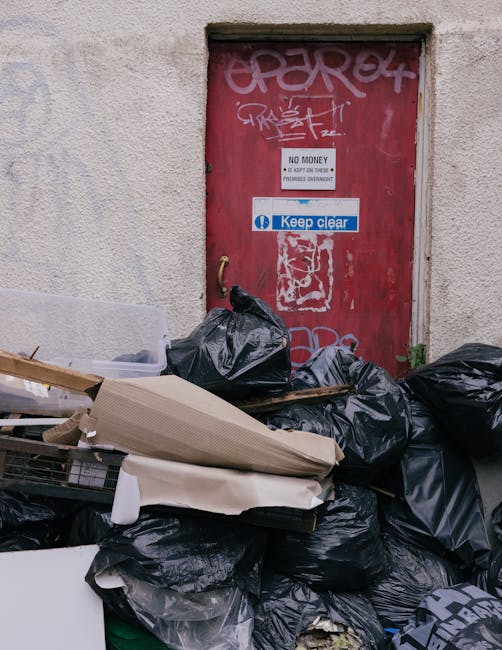
Access issues for flat cleaning Kingston Council permission tips
If you are trying to organise a flat clean and the building access is awkward, the whole job can feel more complicated than it should. Shared entrances, intercoms, parking restrictions, concierge rules, lift bookings, and council-managed access points all add friction. This guide to Access issues for flat cleaning Kingston Council permission tips cuts through that noise and gives you practical, realistic advice you can actually use.
Whether you are a tenant, landlord, homeowner, or letting agent, the goal is the same: get the cleaners in, get the job done properly, and avoid last-minute delays. The tricky bit is usually not the cleaning itself. It is the access. And to be fair, that is where most people get caught out.
Below, you will find a clear step-by-step approach, common permission issues, sensible ways to prepare, and a few judgement calls that make a real difference on the day. We will also cover when a cleaning company can help you work around building restrictions, and when it is smarter to plan a different time slot entirely.
Table of contents
- Why access issues matter
- How access and permission planning works
- Key benefits and practical advantages
- Who this is for and when it makes sense
- Step-by-step guidance
- Expert tips for smoother access
- Common mistakes to avoid
- Tools, resources and recommendations
- Law, compliance and best practice
- Options and comparison
- Real-world example
- Practical checklist
- Conclusion
- Frequently asked questions
Why access issues for flat cleaning Kingston Council permission tips matters
Access issues are not a small admin detail. They can decide whether a clean starts on time, whether the team can bring in equipment, and whether a property is left unfinished because someone forgot to authorise entry. In a flat, the building layout alone can slow things down: buzzer entry, restricted lift use, controlled parking, basement loading bays, or residents' rules about hallways and noise.
When Kingston Council permission is involved, the stakes can be even higher. You may be dealing with a council-managed property, sheltered housing, a block with shared rules, or a situation where written permission is needed before anyone can enter or work in certain areas. That does not always mean a formal application, but it does mean the right person needs to say yes in advance.
The practical reason this matters is simple: cleaning teams work best when they can move without interruption. If the cleaner arrives and spends twenty minutes chasing keys, waiting for a call-back, or trying to find the correct entrance, you lose time and often money. More importantly, the clean itself can become rushed. That never helps.
Expert summary: the safest way to handle flat cleaning access is to confirm entry, permissions, parking, and building rules before the appointment day. One missed detail can stall the whole visit.
This is especially relevant for end-of-tenancy cleans, deep cleans, and move-out cleans where there is a hard deadline. If you are preparing a property for checkout, pairing this topic with end of tenancy cleaning guidance can help you think through both the cleaning standard and the access plan.
How access issues for flat cleaning Kingston Council permission tips works
The process is usually less formal than people imagine, but it still needs structure. First, you identify who controls access. That may be the tenant, landlord, managing agent, concierge, caretaker, or council housing officer. Then you confirm what is allowed on the day: key pickup, intercom entry, lift reservation, van parking, use of service entrances, waste removal, and any limits on timing.
In many Kingston flats, the building rules matter just as much as the cleaning plan. For example, some blocks only allow contractors during specific hours. Others expect advance notice before anyone parks in visitor bays or leaves equipment in common areas. If your building has a fussy little set of rules pinned on a noticeboard by the lift, read them. It sounds obvious, but people skip that part all the time.
When council permission is involved, the important thing is to confirm who has the authority to approve entry and what they are approving. Is it entry to the flat only? Use of the communal corridor? Access to a gated car park? A cleaner carrying a vacuum through shared hallways? Each of these can be treated differently, and you do not want a misunderstanding on the morning of the visit.
For a broader home clean that may include multiple rooms and extra attention to shared spaces, many residents also use domestic cleaning or one-off cleaning services, but the same access planning still applies. The difference is that a one-off clean often needs more equipment, which makes parking and entry arrangements even more important.
Key benefits and practical advantages
Sorting access early is not just about avoiding headaches. It creates a better clean and a calmer day. Here is what you gain.
- Fewer delays: the team can start straight away instead of waiting around in a stairwell.
- Better results: cleaners can spend their time on the actual work, not on logistics.
- Less friction with neighbours or management: no awkward surprises in shared spaces.
- Lower risk of damage or complaints: careful entry planning reduces bumping, dragging, and blocked corridors.
- More reliable quotes: a clear access plan helps the provider judge how long the job will take.
There is also a subtle benefit that people overlook: everyone feels more in control. If you have ever had a cleaner, a delivery driver, and a building manager all asking different questions at the same time, you will know how quickly small confusion becomes a bigger issue. A neat plan avoids that. Simple, really.
For properties with delicate surfaces, access planning matters even more. Moving equipment through tight spaces can be awkward, so if your clean includes soft furnishings or floor care, you may want to look at related services such as upholstery cleaning or hard floor cleaning and think ahead about how equipment will travel through the building.
Who this is for and when it makes sense
This advice is useful for a wide range of people. If you manage a flat in a Kingston block, live in a council property, or arrange cleaning on behalf of someone else, you probably need some version of it.
- Tenants: especially if you are arranging a checkout clean before handing back keys.
- Landlords and letting agents: when access needs to be timed around inventory, repairs, or viewings.
- Homeowners in managed blocks: where building rules affect contractor entry.
- Council housing residents: where permission and notice may need to go through a housing officer or support team.
- Older residents or carers: when access, intercom use, or mobility needs should be planned carefully.
It makes sense whenever the flat is not straightforward to enter. That includes locked communal doors, lift-only access, restricted visitor parking, or a concierge who will not let a contractor in without prior notice. It also matters if the clean is being done after a refurbishment or relocation. In those cases, a service like after builders cleaning may involve more tools, more dust control, and more time spent moving through shared areas.
If you are dealing with a larger property turnover, there may even be overlap with house cleaning or deep cleaning depending on the condition of the flat and how much work is needed. The access question stays the same, though. Who opens the door, who approves entry, and who knows the rules?
Step-by-step guidance
Here is the part that tends to save the day. Keep it practical, keep it written down, and do not rely on memory alone.
- Confirm the exact address and flat number. Sounds basic, but it prevents the wrong door problem, which happens more often than anyone likes to admit.
- Identify the entry method. Key, fob, concierge, buzzer, code, neighbour, caretaker, or council contact.
- Ask whether written permission is needed. If the property is council-managed or the building has strict contractor rules, get this clarified early.
- Check the timing window. Some blocks allow access only during certain hours, and some lifts or loading bays must be booked.
- Plan parking and unloading. Note where the cleaner can legally stop, even if only briefly.
- Share any building restrictions. Noise limits, corridor protection, shoe covers, lift padding, or prohibition on leaving bags in communal areas.
- Provide a backup contact. If one person is unavailable, someone else should be able to approve entry.
- Send the details in one message. Do not scatter them across three texts and a voicemail. It becomes messy fast.
When possible, send the cleaner a short access brief the day before. Include contact numbers, entry instructions, parking notes, and any special issues like broken intercoms or a lift out of service. If the building entrance is tricky or there are multiple doors, add a short written description. Even better, a photo if your communication method allows it.
That little bit of prep can save a very real amount of time. You will notice the difference as soon as the team arrives and gets straight to work instead of standing by the door wondering which key goes where. That is the dream, frankly.
Expert tips for better results
After a lot of flat cleans, the same few habits keep showing up among the smoothest bookings.
- Use a single point of contact. Too many voices cause confusion. One person should coordinate the access.
- Leave a key only if the handover is controlled. If keys are collected from a concierge or neighbour, note the time and who is responsible.
- Expect common-area sensitivity. Hallways in apartment blocks can be narrow and echoey. Keep movement tidy and quiet where possible.
- Allow a buffer. If the booking is tight around checkout, school runs, or lift availability, build in a bit of slack.
- Flag mobility or security issues early. A cleaner can often adapt the approach, but only if they know in advance.
Here is a small but valuable tip: if a block has a concierge, do not assume the concierge knows your booking. Sometimes they do, sometimes they do not. A polite heads-up to the building office can avoid that awkward five-minute wait where everyone is checking emails while holding a vacuum cleaner. Not ideal.
If your flat has carpets or a mixed-surface layout, it can help to discuss the route through the property before the team arrives. That is especially true if you are booking carpet cleaning alongside general cleaning. The cleaner may need access to water points, electrical sockets, and a clear path from the entrance to the working area.
For properties with rugs, sofas, or fitted upholstery, think about staging. Move personal items out of the path if possible. A cleaner can work around things, but every obstacle slows the job a little. A little here, a little there - and suddenly the schedule gets squeezed.
Common mistakes to avoid
Most access problems are avoidable. The bad news is they are often avoidable in boring, ordinary ways. The good news? That means you can fix them without much drama.
- Assuming permission is implied. If the building has managed access, ask first.
- Not checking if keys actually work. A key that opens the front door but not the flat door is a classic time-waster.
- Forgetting parking restrictions. A cleaner arriving in a van without a place to stop can lose valuable time.
- Leaving access notes until the morning of the clean. By then, it is already too late to correct mistakes calmly.
- Ignoring lift or corridor rules. Shared buildings are not always forgiving about equipment, noise, or dirt on floors.
- Overpromising access that is not guaranteed. If you are not sure, say so. Better a careful booking than a messy one.
Another common issue is trying to make one person do everything: approve the visit, hand over the keys, explain the building, and answer the cleaner's calls while at work. That is a lot. It is usually better to split those tasks across two people if you can.
And yes, sometimes the issue is just a broken intercom and everyone pretending it is a temporary inconvenience. We have all seen that. The best response is not to hope for luck. It is to have a backup plan.
Tools, resources and recommendations
You do not need complicated software to handle access well. A short checklist, a phone note, and a properly sent message can do most of the work. Still, a few tools and habits are worth using.
- Shared notes app: keep the building entry details in one place.
- Calendar reminders: set a reminder to re-check permissions the day before.
- Photo notes: capture the entrance, buzzer panel, parking signs, or loading bay instructions if allowed.
- Written access summary: a short paragraph covering contact, key location, and timing.
- Service preparation pages: if you are comparing help, pricing and quotes can be useful once you have a clearer picture of access complexity.
If you want to choose a provider that is comfortable with awkward access, it helps to work with a team that already understands residential buildings and safety expectations. A reliable cleaners page can give you a feel for how broad their service coverage is, while insurance and safety information can reassure you that the job is being handled properly.
For households that need general support rather than a one-off visit, it can also help to compare home cleaners or more routine cleaner options. The access planning principles stay the same, but regular bookings often make things smoother because everyone knows the routine. Nice and boring. Sometimes boring is exactly what you want.
Law, compliance, standards, or best practice
When flat cleaning access is involved, you are usually dealing with practical compliance rather than heavy legal machinery. Still, there are a few standards and duties to keep in mind.
In the UK, building managers, landlords, tenants, and contractors all need to respect property access arrangements, fire safety rules, and any conditions set by the lease, tenancy agreement, or managing agent. If council permission is required, it should be obtained in the way the council or housing team specifies. If you are unsure, ask for written confirmation rather than relying on a verbal okay that may be forgotten later.
Best practice also means thinking about health and safety. Shared hallways, wet floors, trip hazards, and heavy equipment all matter. Cleaner access should never block fire exits or create a mess in common parts. Good providers will also take care with equipment handling and property protection. That is why it can help to review a provider's health and safety policy and terms and conditions before booking.
If the clean involves waste removal, packaging, or bulky items, you may need to consider the building's waste and recycling arrangements too. For those situations, a sensible reference point is the company's recycling and sustainability approach, especially where shared bins or limited storage are involved.
The main principle is simple: never assume access rights. Confirm them. Record them. Share them clearly. That is the safest, calmest way to work in flats with council or managed-building rules.
Options and comparison
Different access arrangements suit different types of flats and different levels of risk. Here is a quick comparison to make the trade-offs easier to see.
| Access method | Best for | Pros | Watch-outs |
|---|---|---|---|
| Key handover | Locked flats with no concierge | Simple and direct, especially if someone is nearby | Risk of lost keys or delayed return if not tracked properly |
| Concierge or building office entry | Managed blocks and larger developments | Good control, usually orderly and documented | Staff may not know about the booking unless told ahead of time |
| Resident entry with backup contact | Occupied flats and flexible schedules | Easy if someone is home or nearby | Can fall apart quickly if one person is late or unreachable |
| Council-approved access | Council-managed or supported housing | Clear authority, useful for formal visits | May need more lead time and written confirmation |
| Timed contractor slot | Busy communal buildings | Predictable for lift or parking use | Less flexible if the team arrives late |
If you are unsure which option fits, think about the weakest point first. Is it parking? Is it a missing key? Is it approval from the building office? Solve that one thing before worrying about the rest.
Case study or real-world example
Here is a very typical scenario. A tenant in a Kingston flat books a clean for the day before check-out. The flat itself is straightforward, but the block has a secure front door, lift access, and a concierge desk that closes at lunch. The tenant assumes the cleaner can "just buzz in" on the day. Easy enough, right? Not quite.
On the morning of the visit, the concierge is not expecting anyone. The cleaner waits outside the lobby while the tenant searches for the right number and tries to reach the housing office. Ten minutes become twenty. By the time access is sorted, the clean still happens, but the day feels pressured and the final stretch is rushed.
Now compare that with the same job handled properly. The tenant sends the flat number, concierge name, access time, key location, and a note about the lift booking two days in advance. They also confirm that the cleaner can use the service entrance for unloading. The team arrives, signs in quickly, gets the work done, and leaves the building tidy. No drama. No awkwardness. Just a cleaner, calmer day.
The difference was not the cleaning skill. It was the access plan. That is why this subject matters so much, especially in multi-occupancy buildings where a tiny gap in communication can create a long, frustrating delay.
Practical checklist
Use this before the appointment. It is short on purpose.
- Confirm exact flat number and building name
- Identify who will grant access
- Check if council or building permission is needed
- Arrange keys, fobs, codes, or concierge entry
- Confirm parking or loading arrangements
- Share any lift, corridor, or timing restrictions
- Provide a backup contact number
- Tell the cleaner about security doors or broken intercoms
- Flag pets, alarms, or sensitive areas in advance
- Reconfirm everything the day before
If you can tick off all ten, you are already ahead of most people. Honestly, by a fair margin.
Get a free quote today and see how much you can save.
Conclusion
Access problems in flats are rarely dramatic, but they are often the reason a cleaning appointment goes sideways. The good news is that they are manageable. With the right permission checks, clear communication, and a simple written plan, you can avoid most of the usual delays and confusion.
For Kingston flats, especially council-managed or shared-access buildings, the smartest approach is to treat permission as part of the clean, not an extra detail. Confirm who can authorise entry, how the building wants contractors to arrive, and whether parking or lift use needs approval. That one bit of organisation can save the whole day.
If you get the access right, the rest tends to feel easy. And that is a nice feeling, truth be told.
Frequently Asked Questions
Do I need Kingston Council permission for flat cleaning?
Not always. It depends on who controls the property and the building. If the flat is council-managed, supported housing, or subject to strict block rules, written permission or notice may be needed. The safest move is to confirm with the relevant housing contact before booking.
What should I tell a cleaner before they arrive at a flat?
Share the exact address, flat number, entry method, contact person, parking details, and any building restrictions. If there is a concierge, lift booking, or intercom issue, mention it early. That helps the cleaner plan the visit properly and avoid delays.
Can a cleaner use a concierge or building office to get in?
Yes, if the building allows it and the concierge or office has been informed. Do not assume they will recognise the booking automatically. A heads-up in advance is usually the difference between a quick arrival and a long wait in the lobby.
What if the intercom is broken on the day of the clean?
Have a backup entry method ready, such as a key handover or a second contact number. If the intercom is broken, the cleaner should be told before travel where possible. A broken buzzer is one of those irritating little things that can stall the whole job.
Is parking permission really important for flat cleaning?
Yes. Even a short unloading stop can be a problem in some Kingston blocks. If parking is tight, confirm where the cleaner can stop, whether a visitor bay exists, and whether any permit is needed. This is especially useful for larger cleans that involve more equipment.
How far in advance should I arrange access permission?
As early as possible, especially if the building is managed or council-related. A few days ahead is often safer than leaving it to the same morning. If approval needs to go through a housing office or building manager, give them enough time to reply.
What happens if access is not ready when the cleaner arrives?
The appointment may be delayed, shortened, or rescheduled depending on the situation. In some cases, the team can work around the issue. In others, they may have to leave and return later. It is much better to sort the access first than to improvise on the doorstep.
Does access planning change for deep cleaning or end of tenancy cleaning?
Yes, a bit. These jobs often need more time, more equipment, and better scheduling. A deep clean or end-of-tenancy clean usually benefits from a more detailed access brief, especially if the flat is empty and the cleaner needs uninterrupted entry.
Can building rules stop a cleaner from working in communal areas?
They can. Some blocks are strict about hallways, lift protection, noise, and where equipment may be placed. If you know there are building rules, pass them on in full. It avoids misunderstandings and keeps the visit respectful for everyone else in the block.
What is the best way to give access instructions?
One clear written message is usually best. Include who will meet the cleaner, how the door will be opened, where keys are, and what to do if the main contact is unavailable. Short, clear, and not buried in a long chat thread.
Can I book a cleaning service if I am not sure about permission yet?
You can enquire, but it is better to confirm permission before the visit is fixed. If access is uncertain, tell the provider straight away. A good cleaner can often help you plan, but they should not have to gamble on whether a door will open.
What type of cleaning service is best for awkward flat access?
That depends on what the property needs. Sometimes a simple one-off cleaning visit is enough. Other times you may need deep cleaning or specialist support such as window cleaning if the job is more detailed. The main thing is to match the service to the access reality, not just the wish list.
Where can I check how a company handles safety and payments?
Look at the company's public information on payment and security, insurance and safety, and related policy pages. Those details help you understand how professionally the booking is managed before anyone turns up at the door.