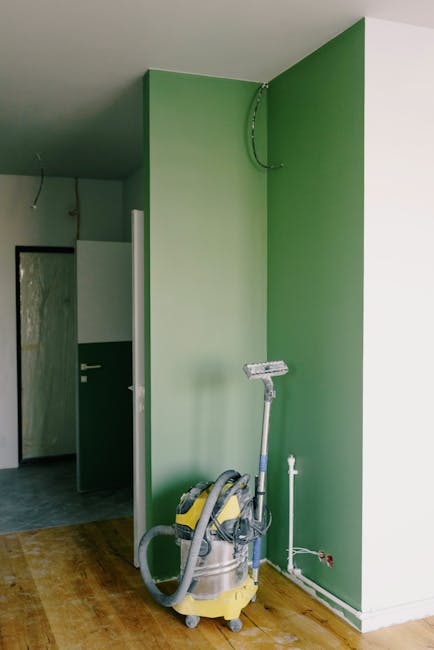
After builders cleaning Clarence Street Kingston projects
Posted on 16/05/2026
After builders cleaning Clarence Street Kingston projects: a practical guide to getting the finish right
Building work is exciting right up until the dust settles. Then you notice the fine powder on skirting boards, grout haze on tiles, paint splatters on windows, and the odd footprint you swear wasn't there five minutes ago. That is where After builders cleaning Clarence Street Kingston projects becomes essential. It is not just a tidy-up. It is the final, detailed clean that turns a construction site or renovation zone into a space people can actually use, view, hand over, or move into without wincing.
If you are managing a refurbishment, preparing a property for sale or letting, or simply trying to get a newly upgraded space back to normal, the difference between a quick sweep and a proper post-build clean is huge. The work on Clarence Street and in the wider Kingston area often involves tight access, shared entrances, and careful timing around residents or businesses, so planning matters. Truth be told, a rushed finish can undo a lot of good workmanship.
This guide breaks down what after builders cleaning includes, how it works, who needs it, and what good results actually look like. You will also find practical checklists, comparison points, common mistakes, and sensible next steps. If you want to understand the process before you book, you are in the right place.

Why After builders cleaning Clarence Street Kingston projects Matters
Post-construction dust is stubborn. It works its way into corners, clings to frames, settles inside cupboards, and seems to reappear even after you have wiped a surface twice. That is why after builders cleaning is so important on Clarence Street Kingston projects: it deals with the residue that normal cleaning usually misses.
In practical terms, this kind of clean supports three things at once: presentation, usability, and safety. A refurbished flat, shop, office, or rental property may look finished from a distance, but once the builders leave, the real work begins. Fine debris can affect air quality, scratch delicate finishes, and make a space feel unfinished even when the building work is technically complete.
There is also a reputation factor. If you are a landlord, developer, agent, or homeowner, the final handover is a direct reflection of how the project has been managed. A polished finish suggests attention to detail. A dusty one? Well, that tells a different story.
For local readers, Kingston properties often sit in busy, lived-in streets where timing and access matter. Shared hallways, narrow stairwells, parking restrictions, and neighbouring businesses can all shape how the clean is planned. A good post-build clean respects those realities instead of fighting them.
To see how aftercare and ongoing cleaning fit into the wider picture, some readers also explore the broader services overview and the dedicated deep cleaning Kingston service pages. Those pages are useful if your project needs more than one clean or if you are comparing service types before you book.
How After builders cleaning Clarence Street Kingston projects Works
A proper after builders clean is usually done in stages, not all at once. That matters because construction dust behaves differently from ordinary household dirt. It is dry, fine, and easy to spread around if you start in the wrong place. One careless wipe and you have dragged grit across a fresh finish. Nobody wants that, obviously.
The process normally begins with a site assessment. The cleaner looks at the size of the property, the type of work carried out, the surfaces involved, and the condition left behind by the trades. A refurbishment with new plaster, for example, needs a different approach from a kitchen refresh or a full flat fit-out.
From there, the clean usually follows a top-down method: ceilings and fittings first, then walls, frames, ledges, and finally floors. This helps prevent dust from falling onto already cleaned areas. There is a fair bit of method in it, even if the job looks chaotic at first glance.
Typical tasks can include:
- removing dust from all accessible surfaces
- cleaning paint spots, plaster dust, and adhesive residue
- wiping doors, handles, switches, sockets, and skirting boards
- cleaning inside cupboards, shelves, and drawers
- polishing glass, mirrors, and interior glazing
- vacuuming and mopping floors with suitable methods for the surface type
- spot cleaning tiles, splashbacks, and sanitary fittings
- finishing touches that improve presentation for handover or viewing
Depending on the project, you may also need carpet cleaning Kingston or upholstery cleaning Kingston to deal with dust that has settled into soft furnishings. That is particularly useful after sanding, plastering, or any work where particles have travelled beyond the work area.
A good clean is careful, not aggressive. The aim is to remove contamination without damaging fresh paint, new fixtures, or delicate surfaces. That sounds obvious, but it is where experience really shows.
Key Benefits and Practical Advantages
The obvious benefit is that the space looks finished. But the practical value goes further than appearances. A detailed after builders clean can improve how the property feels, how it smells, and how confidently it can be used or handed over.
- Better presentation: Clean glazing, dust-free fixtures, and tidy floors make the property feel ready for occupation or viewing.
- Less risk of damage: Removing abrasive dust early helps protect new flooring, furniture, and fittings.
- Improved usability: Kitchens, bathrooms, and working spaces become genuinely usable instead of merely "done".
- Faster move-in or handover: A proper finish reduces delays between the end of building work and the next step.
- Better first impressions: This matters for tenants, buyers, clients, guests, and even neighbouring businesses.
There is also a psychological benefit people do not talk about enough. After a renovation, the dust can make a lovely new room feel unfinished, almost slightly annoying to be in. A proper clean restores the sense of calm. You can open the windows, take a breath, and actually enjoy the work that was done.
For landlords and sellers, this can support wider property goals too. If you are researching how Kingston property demand, area appeal, and presentation work together, the articles on real estate investment tips for Kingston and steps to purchase property in Kingston offer helpful background on how presentation fits into a broader property strategy.
| Benefit | What it means in practice | Why it matters |
|---|---|---|
| Visual finish | Dust, smears, and debris removed from all visible areas | Creates a strong first impression |
| Surface protection | Fine grit cleared from floors, frames, and fittings | Reduces scratching and wear |
| Usability | Kitchens, bathrooms, and living areas become practical again | Helps people move in or start using the space |
| Handover readiness | Property looks presentable for clients, agents, or occupants | Supports smoother project completion |
Who This Is For and When It Makes Sense
After builders cleaning is not just for large developments. In fact, many of the most common jobs are fairly ordinary on the surface: a renovated kitchen, a new bathroom, a flat that has had decorating work, or a commercial unit that has been refurbished between occupiers.
This service makes sense for:
- Homeowners returning to a property after refurbishments
- Landlords preparing a rental after repairs or improvement works
- Estate agents arranging presentation cleans before photos or viewings
- Developers and contractors needing a reliable handover clean
- Business owners reopening after office, retail, or hospitality works
- Property managers coordinating multiple units in one go
It also makes sense when dust control has become a practical problem. If the builders have worked in one room but the whole property now feels gritty, that is a sign dust has travelled. It gets into places you would not expect: inside tracks, under radiators, around light fittings, and even behind doors if they have been left open for days.
If your project is tied to a move, tenancy change, or empty property, you may also find the dedicated end of tenancy cleaning Kingston page useful, especially when the post-build clean needs to be combined with a full reset before the next occupant arrives. For nearby flats and rental stock, the article on end of tenancy cleaning in Norbiton estates and flats is a sensible read too.
Sometimes the question is not whether you need this clean, but when. The short answer: as soon as the main building work is finished, but before the property is officially handed over or occupied. Leaving it too long usually means dust gets walked around and settles deeper. Not ideal.
Step-by-Step Guidance
If you are planning after builders cleaning Clarence Street Kingston projects, it helps to understand the sequence. That way, you know what to expect, what to prepare, and where delays can creep in.
- Confirm the scope of works. List the rooms affected, the surfaces involved, and any particularly delicate finishes.
- Check the build stage is actually finished. Cleaning before the final snagging or last trades visit often means doing the same work twice. Nobody loves that.
- Remove large debris. Offcuts, packaging, tape, protective film, and loose waste need clearing before detail cleaning starts.
- Dust from the top down. Ceilings, coving, light fittings, frames, ledges, and high-level surfaces are handled first.
- Clean fixtures and fittings. Handles, switches, sockets, doors, and trim are wiped carefully to remove residue.
- Deal with glass and reflective surfaces. These show every smear, so they usually need a careful finish.
- Treat floors last. Vacuuming and mopping come near the end to avoid recontamination.
- Inspect and touch up. A final walk-through catches missed dust, paint specks, or adhesive marks.
A good walk-through matters more than people think. Under daylight, particularly near windows, dust and streaks show up very differently than they do under indoor lighting. Morning light on Clarence Street can be unforgiving, to be fair. What looked spotless at 5pm may reveal another story by 9am.
If you are comparing cleaning types, the difference between a post-build clean and a standard service is worth understanding. A regular domestic cleaning Kingston appointment keeps a home tidy. A post-construction clean restores a property after disruptive work. Those are related, but not the same thing. Likewise, one-off cleaning Kingston upon Thames can be useful for deep refreshes, but builders dust needs a more specialised approach.
Expert Tips for Better Results
In our experience, the best outcomes come from planning ahead rather than trying to fix everything at the end. That sounds simple, but it saves a lot of stress.
- Book the clean after snagging is complete. Extra trades traffic usually means extra dust.
- Protect new floors before final works. Even a great clean has limits if fresh surfaces are walked over constantly.
- Keep windows accessible. Fresh air helps during a post-build clean, especially in enclosed spaces.
- Be specific about problem areas. Tell the cleaner about plaster dust, paint flecks, adhesive, or silicone residue.
- Separate delicate items from the work zone. Freshly finished surfaces and loose clutter do not mix well.
- Ask about suitable methods for flooring. Laminate, engineered wood, stone, and carpet all need different care.
One small but important tip: check whether window and frame cleaning is included at the detail level you need. Post-build glass often carries fine marks, finger smears, tape adhesive, and a thin layer of dust that only becomes obvious in natural light. If the room is being photographed or handed over, that final clarity really matters.
Another practical point is ventilation. A new or refurbished property can sometimes hold the smell of sealants, fresh paint, or dust. A proper clean helps, but opening the space at the right time, even for a short period, makes the whole room feel less sealed-up. A tiny thing, but it changes the experience.
For businesses or office refurbishments, you may also want to review office cleaning Kingston if the space will need ongoing maintenance after the initial post-build work is complete. That is often the next sensible step.
Common Mistakes to Avoid
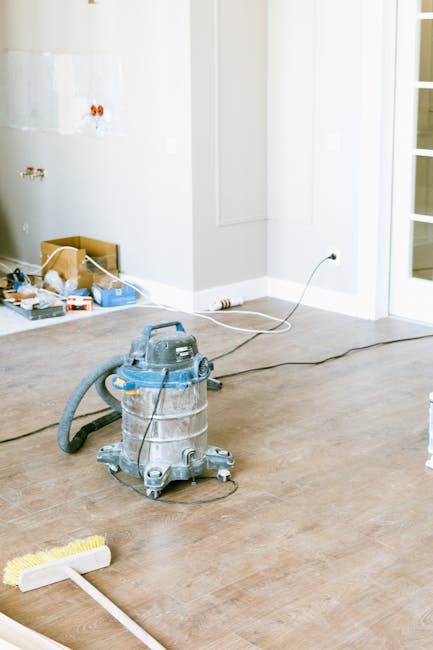
Let's face it, builders dust is easy to underestimate. Most mistakes happen because people assume a quick vacuum will sort it out. It usually will not.
- Cleaning too early: If trades are still returning to finish snagging, you will likely need a second clean.
- Using the wrong tools: Rough cloths and unsuitable vacuums can smear dirt or mark surfaces.
- Skipping hidden areas: Tops of doors, behind radiators, cupboard edges, and light fittings often hold dust.
- Rushing glass and shiny surfaces: Streaks are common if the finish is not checked in good light.
- Ignoring soft furnishings: Dust travels. It does not politely stay in one room.
- Not agreeing the scope in advance: A vague brief leads to gaps and misunderstandings.
There is also the matter of damage risk. Fresh paint, grout, sealant, and silicone can look dry before they are fully settled. Aggressive cleaning too soon can create avoidable issues. If in doubt, wait for the right stage and use the right method. A calm pace tends to produce better work than a frantic one.
One more thing: do not forget access and logistics. Clarence Street and central Kingston locations can involve shared entrances, parking pressure, and restricted loading opportunities. If those details are overlooked, even a straightforward clean can become awkward.
Tools, Resources and Recommendations
Good equipment does not make the job by itself, but it absolutely helps. Builders cleaning relies on tools that can remove fine dust without just moving it around.
- HEPA-style vacuuming: Useful for capturing fine particulate rather than recirculating it.
- Microfibre cloths: Helpful for trapping dust on frames, fittings, and flat surfaces.
- Non-abrasive pads: Safer for delicate finishes than harsh scourers.
- Appropriate glass cleaner: Needed for windows, mirrors, and internal glazing.
- Detail brushes: Good for vents, grooves, corners, and awkward edges.
- Floor-specific cleaning products: Different finishes need different care, especially after building work.
From a planning perspective, you may also want to look at practical service information such as pricing and quotes, especially if you are trying to compare a one-off post-build clean against a larger package. For background on the company and its approach, the about us page and insurance and safety information are sensible references. They help you judge trust, accountability, and what happens if something unexpected comes up.
If the project includes a broader refresh rather than just building residue, the spring cleaning Kingston upon Thames service can be relevant too. It is not a substitute for post-build cleaning, but it can be part of the wider reset once the heavy dust is gone.
Law, Compliance, Standards, or Best Practice
For post-construction cleaning, the main compliance concerns are usually safety, access, and proper handling of materials rather than some niche legal threshold. In the UK, good practice generally means using suitable equipment, following sensible working methods, and keeping both workers and occupants in mind.
Best practice typically includes:
- using safe methods for working at height where needed
- protecting fresh finishes from scratches or staining
- avoiding the spread of dust into clean or occupied areas
- handling waste and debris responsibly
- working with clear communication between client, builder, and cleaner
For occupied buildings, this becomes even more important. Shared spaces, visitors, residents, and staff all affect how cleaning is carried out. A tidy-looking site is not enough on its own; the approach should also be practical and safe. That is why pages such as health and safety policy and terms and conditions are worth reviewing before work begins. They set expectations in plain terms.
If the project is tied to tenancy turnover, you may also want to understand the responsibilities around condition, handover, and final presentation. The right clean can support a smooth exit or entry, but it should always sit alongside the property's actual condition and any agreed scope of works. No drama, just clarity.
Options, Methods, or Comparison Table
Not every post-build clean is the same. Some projects need a light finish, while others need a deep, multi-room detail clean. Here is a simple comparison to help you judge what you may need.
| Cleaning approach | Best for | Typical focus | Main limitation |
|---|---|---|---|
| Basic post-build tidy | Small works, minimal dust, short jobs | Debris removal, visible dust, quick wipe-downs | May miss fine residue in edges and hidden areas |
| Full after builders clean | Most renovations, refurbishments, and fit-outs | Detailed dust removal, surfaces, glass, floors, fixtures | Needs more time and careful planning |
| Combined deep clean | Heavily used homes, rentals, or commercial spaces | Builders residue plus intensive detail cleaning | Usually the most time-intensive option |
| Ongoing maintenance cleaning | Occupied properties after the initial clean | Regular upkeep, presentation, and hygiene | Not designed for heavy construction dust |
The right choice depends on how much work was done and what happens next. A newly completed rental on Clarence Street, for example, may need a full detail clean before photos and viewings. A business fit-out might need the same, plus a structured plan for regular upkeep afterwards. Different situations, different priorities.
Case Study or Real-World Example
Imagine a small Kingston flat that has just had the kitchen replaced. There is new cabinetry, a polished splashback, fresh flooring, and freshly painted walls. On paper, it sounds ready. In reality, there is a fine layer of dust on the top of the units, adhesive marks near the sink, tiny plaster flecks along the skirting, and a dull film on the window glass that only shows when the light hits at an angle.
The owners might try a quick clean themselves, and for some areas that works. But after a couple of hours, they notice the dust keeps returning from edges and vents, and the floor starts to feel gritty again as soon as it is walked on. So they step back and arrange a proper after builders clean.
The cleaner starts with high surfaces, then works methodically through cupboards, handles, sockets, tiles, and glass. The floor is left until last. By the end, the kitchen looks like the one they expected to see when the builders left. Not showroom-perfect in a glossy-magazine way, just properly usable. There is a difference. And it is a big one.
That same logic applies to a shop, office, or rental. The clean is not about making a property look fake-new. It is about removing the traces of the work so the actual finish can be appreciated. Simple enough, but easy to get wrong if you rush it.
Practical Checklist
Use this checklist before, during, or after the clean. It keeps everyone on the same page and helps avoid those annoying last-minute surprises.
- Has all building work finished, including snagging?
- Have waste, tools, and protective materials been removed?
- Are all rooms, access points, and parking arrangements confirmed?
- Have delicate finishes or fixtures been flagged in advance?
- Are floors, windows, and high-touch areas included in the scope?
- Do you need carpet, upholstery, or extra deep-clean add-ons?
- Is ventilation available during or after the clean?
- Has the final handover timing been agreed?
- Have you checked whether a second visit might be needed for touch-ups?
- Is the cleaner aware of any access restrictions, alarms, or shared entrances?
Quick takeaway: the cleaner should not be guessing. The more clearly you define the project, the better the result. That one bit of planning can save a surprising amount of time and frustration.
Conclusion
After builders cleaning Clarence Street Kingston projects is the final step that lets a property breathe again. It takes the rough edges, dust, and residue from construction or renovation and turns them into a space that feels finished, usable, and ready for whatever comes next.
Whether you are preparing a home, rental, office, or commercial unit, the best results usually come from clear scope, careful timing, and the right level of detail. Build work can change a space. A proper clean helps the change actually land.
If you are still planning the next step, it may help to review the wider service information, think through your handover timing, and compare the clean against the practical needs of the property. Small decisions early on can make the last day feel much easier.
Get a free quote today and see how much you can save.
And if you are standing in a half-finished room wondering whether it will ever feel right again, don't worry. With the dust gone, it usually does.