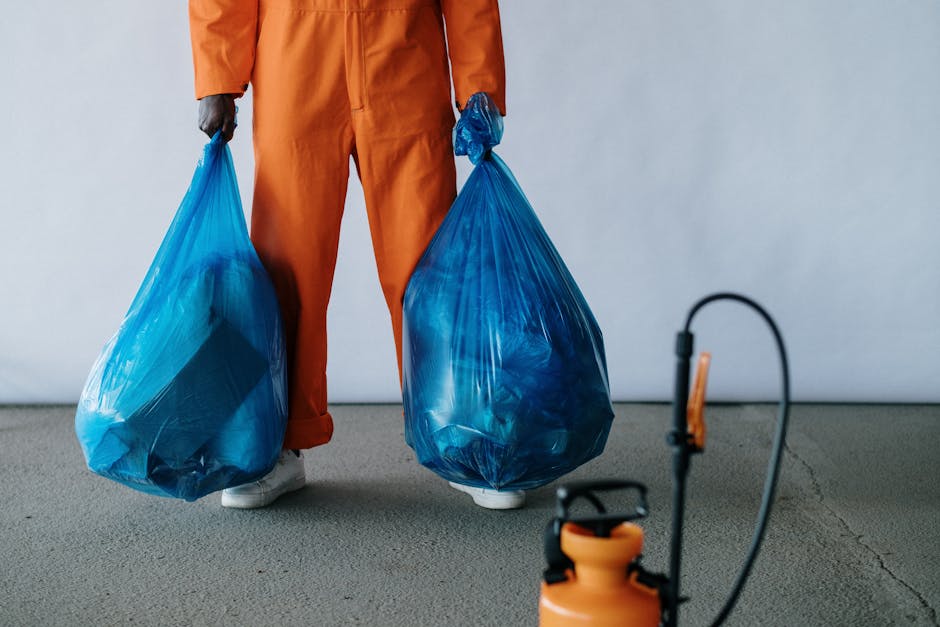
Hazardous waste disposal cleaning firms Kingston legal guide
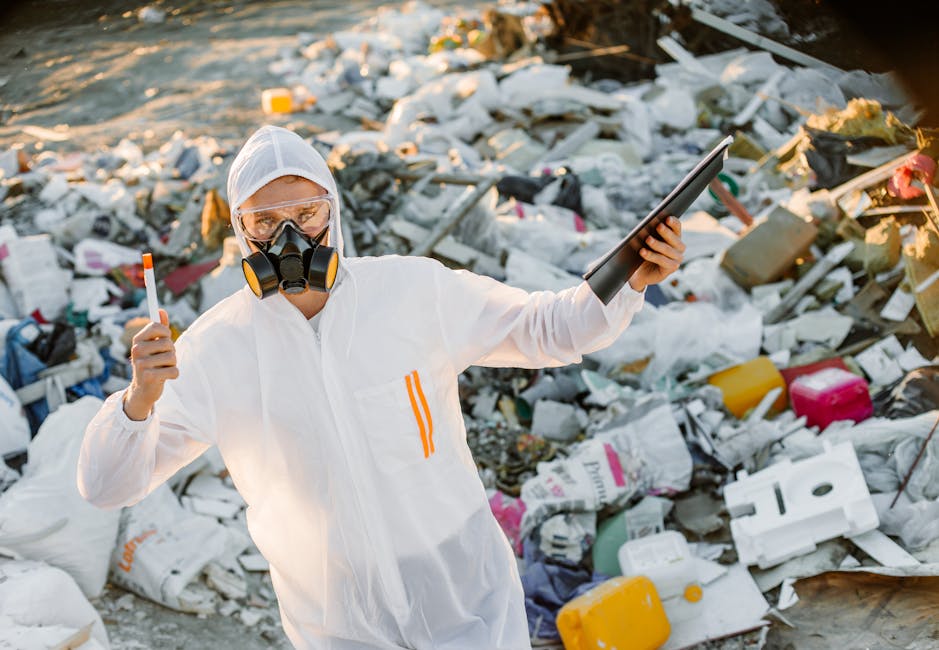
If you are dealing with hazardous waste, the margin for error is tiny. One wrong bag, one unlabelled container, one careless cleaner, and suddenly a routine job turns into a safety problem, a legal headache, or both. This Hazardous waste disposal cleaning firms Kingston legal guide is here to make the process clearer, calmer, and a bit less intimidating.
Whether the issue is chemicals left after a refurb, contaminated materials after an incident, or specialist waste that cannot simply go in a normal skip, you need to know what a proper cleaning firm should do, what the law expects, and how to spot sensible, compliant practice. Truth be told, a lot of people only start asking these questions once the mess is already in front of them. Fair enough. Let's deal with it properly.
In this guide, you will learn how hazardous waste clean-up is usually handled in Kingston, what good providers should be able to explain in plain English, what documents and controls matter, and where the common traps are. You will also get a practical checklist, a comparison table, and a realistic example from an everyday commercial scenario.
Why Hazardous waste disposal cleaning firms Kingston legal guide Matters
Hazardous waste is not just "messy waste". It can include substances or materials that pose a risk to people, property, drains, air quality, or the environment. In practical terms, that might mean corrosive liquids, solvent-soaked materials, sharps, contaminated soft furnishings, chemical residues, or anything that needs careful segregation and controlled removal.
In Kingston, as in the rest of the UK, the key point is simple: once waste is hazardous, ordinary tidy-up habits are not enough. A cleaner with a mop and a bin bag is not the same thing as a firm that understands containment, risk assessment, appropriate PPE, waste handling, and lawful disposal. That distinction matters because the person producing the waste usually still has responsibilities, even after the cleaning team has finished.
There is also the human side of it. If you have ever walked into a room that smells sharply of chemicals, or seen a floor where the surface has been stained by an unknown liquid, you will know the instinct is to "just get it cleared". But rushing can spread the problem. A compliant firm slows the job down in the right places. That is often what keeps everyone safer.
For businesses, landlords, facilities teams, and homeowners in Kingston, this guide matters because it helps you ask the right questions before work begins. You want evidence that the firm understands the work, not just enthusiasm. There is a difference.
If you need a broader sense of how a professional provider presents its standards, it can help to review a firm's health and safety policy and insurance and safety information before you book.
How Hazardous waste disposal cleaning firms Kingston legal guide Works
The process usually starts with identification. Not every item is immediately obvious as hazardous, so a competent firm will first work out what they are dealing with. Is it a one-off contamination? A mixed waste load? A room that needs deep decontamination after a spill? Or a clearance issue where hazardous items are tucked into an otherwise ordinary space?
Next comes risk control. That means isolating the area if needed, deciding what protective equipment is required, and making sure waste is not moved around casually. Good practice here is very visible. You should see clear staging, sensible sequencing, and staff who do not improvise in risky situations. They may sound slightly overcautious at times. That is usually a good sign.
After that, the material must be removed, contained, and transferred for proper disposal through the correct route. The exact route depends on the waste type, but the firm should be able to explain the general approach without slipping into jargon. If they cannot explain what happens to the waste after collection, pause the conversation.
For many clients, the work also involves cleaning the affected surfaces so the area is safe to use again. That might include wipe-downs, neutralising residues where appropriate, specialist cleaning of hard floors, or careful post-removal sanitising. In some settings, a firm may also recommend follow-up cleaning such as deep cleaning or after builders cleaning once the hazardous element has been fully removed.
The law and best practice layer underneath all of this. In plain English, the firm should know how to handle hazardous waste without mixing it with general waste, without exposing people to avoidable risk, and without leaving the client holding a problem they thought had been solved. Simple enough on paper, not always simple in a live job.
Key Benefits and Practical Advantages
Hiring a proper hazardous waste disposal cleaning firm is about more than convenience. Yes, it saves time. But the bigger advantages are about control, confidence, and reducing the odds of a costly mistake.
- Safety for occupants and staff: Proper containment reduces the chance of exposure, splashes, fumes, or accidental contact.
- Cleaner legal position: You are much less likely to mishandle waste or rely on guesswork.
- Better property protection: The right cleaning approach helps prevent corrosion, staining, spread, or secondary damage.
- Clear accountability: A professional firm should document what it removed, how it managed the site, and what happened next.
- Reduced disruption: A controlled process can get a room, unit, or workspace back into use sooner.
There is a less obvious benefit too: peace of mind. If you are a landlord facing a challenging end-of-occupancy situation, or a business manager dealing with an incident you would rather not relive, knowing the work is being handled methodically makes a real difference. You sleep better. Sounds small. It is not.
For everyday cleaning needs that are less risky but still need a professional touch, you may also want to look at services such as one-off cleaning, office cleaning, or domestic cleaning. Those are not substitutes for hazardous waste handling, of course, but they can sit alongside a broader maintenance plan.
Who This Is For and When It Makes Sense
This topic matters to a wide range of people in Kingston, not just industrial sites. In fact, a lot of hazardous waste issues appear in fairly ordinary settings.
You may need specialist help if you are:
- a landlord or letting agent dealing with unknown substances left in a property;
- a facilities or office manager handling contamination in a workplace;
- a homeowner dealing with chemicals, fuel residues, or contaminated items after a fire or leak;
- a contractor or project manager closing out a refurb where hazardous materials have surfaced;
- a business owner who needs a compliant clearance before reopening a space;
- someone managing a sensitive clearance where normal domestic cleaning is nowhere near enough.
Sometimes the need is obvious. A drum of solvent in the corner, a damaged container, a spill that has soaked into porous material. Other times it is less clear. For example, an office might only look like it needs a routine tidy, but if there are old cleaning chemicals, broken fluorescent tubes, or contaminated soft items in storage, the work changes quickly.
That is why a reputable firm will ask questions before quoting. They should want to know the type of waste, the size of the area, whether access is awkward, and whether any surfaces need specialist treatment afterward. If a provider quotes everything in ten seconds flat, without asking a thing, be cautious. Very cautious.
For certain post-project situations, you may also want support beyond hazardous waste removal, such as house clearance after an unsafe property has been emptied, or end of tenancy cleaning where a landlord needs the next stage handled properly once hazardous items are gone.
Step-by-Step Guidance
Here is the practical route most clients should follow. Not glamorous, but it works.
- Identify the problem area. Note what you can see, smell, or suspect. Do not move unknown containers unless you have been told it is safe to do so.
- Limit access. Keep people away from the site until the risk has been assessed.
- Gather basic details. What type of waste is involved? Where is it? How much is there? Has anything leaked into carpet, timber, or grout?
- Ask the firm how they work. Look for clear answers on PPE, containment, waste transfer, and disposal.
- Check insurance and process. A good provider should be comfortable discussing their safeguards and who is responsible for what.
- Agree the scope in writing. Make sure the job description covers removal, cleaning, and any follow-up tasks.
- Request completion notes or documentation. You want a record of what was handled and how.
- Review the area after works. Confirm the site is safe, clean, and ready for the next step.
Where the issue involves a commercial site or a property with recurring cleaning needs, it may make sense to combine specialist work with regular maintenance through a trusted cleaning company or dedicated cleaners. That keeps standards steadier over time.
One small but important note: do not skip the boring questions. Boring questions are often the ones that protect you. Ask who is actually attending site, what happens if the waste volume is greater than expected, and how the area will be checked at the end. It sounds fussy. It saves grief.
Expert Tips for Better Results
After dealing with these kinds of jobs, a few habits stand out again and again. They are not flashy, but they help.
- Be specific about the waste type. "Hazardous waste" is broad. "Chemical spill in a storeroom" or "contaminated broken material in a bathroom" helps the firm scope it properly.
- Share photos when appropriate. This can save wasted visits and improve the accuracy of the first plan.
- Ask about segregation. A competent provider should avoid mixing different waste streams without reason.
- Check the post-clean condition. If a surface may have been affected by residue, ask whether further cleaning or remediation is needed.
- Keep records. Even a simple email trail can be valuable later.
Another useful tip: if you are comparing firms, do not focus only on the tidy bits of the website. Look at the practical trust signals too. Policies matter. So do payment terms, complaints handling, and what they say about data and safety. You can usually learn a lot from pages such as terms and conditions, payment and security, and privacy policy.
And yes, if a firm answers awkward questions without sounding irritated, that is worth something. Plenty, actually.
Common Mistakes to Avoid
Most problems in this area are avoidable. The frustrating bit is that they are usually avoidable in very ordinary ways.
- Assuming all cleaning firms can handle hazardous waste. They cannot. Some are great at standard cleaning, but this is a different level of work.
- Mixing hazardous waste with general waste. That creates compliance and safety issues straight away.
- Not identifying hidden contamination. A surface may look fine while the underlying material is not.
- Booking on price alone. Cheap can become expensive once errors, delays, or rework appear.
- Failing to clarify who removes what. If that is unclear, the job scope is too loose.
- Ignoring access and storage issues. Tight stairwells, locked cupboards, and shared entrances affect the plan.
A classic example is the "we'll just sort it when we get there" approach. That phrase can sound reassuring, but in this context it often means the opposite. If the firm has not asked enough questions before arrival, they may not have the equipment, time, or disposal route they need. Then everyone waits around. Not ideal.
If the property also needs supporting cleaning work after the waste is removed, ask whether the provider can help with follow-up tasks like hard floor cleaning or window cleaning once the area is no longer hazardous. Those finishing touches can matter more than people expect.
Tools, Resources and Recommendations
You do not need a warehouse of equipment to manage the decision well. You need clarity. Still, it helps to know what a competent firm is likely to use or reference.
- PPE: gloves, eye protection, respirators where needed, disposable coveralls, and safe footwear.
- Containment materials: sealed bags, labelled containers, absorbents, barriers, and waste-safe liners.
- Cleaning agents: appropriate products for decontamination, chosen for the specific material and surface.
- Site controls: signage, isolation of the affected zone, and managed access.
- Documentation: job notes, handover notes, risk information, and waste records where relevant.
From a client perspective, the best "resource" is often a short pre-booking checklist and a firm that is willing to walk through it with you. If you want a sense of the business behind the service, an honest about us page can be useful, and so can seeing how a company handles issues like complaints procedure and recycling and sustainability. Those pages do not replace technical competence, obviously, but they do show whether the firm thinks about its responsibilities properly.
For larger jobs in commercial premises, it may also be helpful to ask whether the provider can support a scheduled cleaning routine through office cleaners or more general house cleaning support after the specialist work is complete.
Law, Compliance, Standards, or Best Practice
This is the section people often want to skip. Do not. This is where the important guardrails live.
In the UK, hazardous waste handling sits within a wider framework of environmental and health-and-safety duties. The details can vary depending on the waste type and the setting, but the underlying expectations are consistent: identify the waste correctly, store and move it safely, keep people protected, and ensure it is disposed of through lawful channels.
For a cleaning firm in Kingston, that usually means the following best-practice behaviours:
- carrying out a suitable risk assessment before work starts;
- using trained staff for tasks that involve exposure or contamination;
- keeping hazardous and non-hazardous waste separate;
- preventing unnecessary spread during cleaning or removal;
- using appropriate PPE and hygiene controls;
- keeping accurate internal records of what was handled;
- working only within the limits of their competence and equipment.
There is also a chain-of-responsibility angle. If you produce waste or commission the work, you should not assume every duty disappears the moment the van pulls away. That is why it is smart to ask what records you will receive and what the disposal process involves.
Best practice is not about sounding bureaucratic. It is about not making the next person's job harder, and not putting anyone at unnecessary risk. A good provider will understand that instinctively. The language may vary, but the habit should be there.
If you are comparing providers, check whether their health and safety policy feels concrete rather than decorative. Policies that only sound impressive on the page tend to collapse the second a real problem arrives.
Options, Methods, or Comparison Table
Not every hazardous waste problem needs the same method. Here is a simple comparison to help you think through the options.
| Approach | Best for | Strengths | Limitations |
|---|---|---|---|
| Standard cleaning team | Ordinary dirt, routine upkeep, non-hazardous mess | Fast, cost-effective, useful for regular maintenance | Not suitable for hazardous substances or contaminated waste |
| Specialist hazardous waste cleaner | Spills, contaminated materials, risk-managed clean-up | Better safety controls, correct handling, clearer compliance | Usually needs more briefing and may cost more |
| Combined specialist plus follow-up cleaning | Sites that need removal first, then restoration | More complete finish, better for reoccupation | Takes longer and requires clearer coordination |
For many Kingston properties, the third option is the most sensible. First remove the risk. Then restore the space. It sounds obvious, but people do sometimes try to do both in a rush and end up with half a job. Then they ring someone else a week later. You can probably see where that goes.
Where the final finish matters, services such as upholstery cleaning, carpet cleaning, or oven cleaning may be relevant after the hazardous element has been properly dealt with, depending on the property and the contamination involved.
Case Study or Real-World Example
Here is a realistic scenario, without the drama you sometimes see in marketing copy.
A small office in Kingston discovers that a storage cupboard contains old containers, a damaged bottle, and absorbent material that has picked up a strong chemical smell. Staff have not touched it, which is sensible. The manager takes photos, closes the cupboard, and contacts a cleaning provider that says it can handle hazardous waste disposal and site clean-up.
The provider asks a few basic questions before visiting: what products are involved, whether anyone has had contact with the items, how accessible the cupboard is, and whether the waste may have affected the floor. That first conversation matters. It means the visit is planned rather than improvised.
On site, the team isolates the cupboard, checks the area, removes the items carefully, and cleans the affected surface. They explain what has been removed, what remains safe to use, and whether any follow-up cleaning is needed. The manager then arranges a separate routine office refresh a few days later. Nothing dramatic, just steady and sensible.
That is the sort of result you want. No theatrics. No unnecessary panic. Just the right people, the right sequence, and a proper handover. It is a boring success story, which is exactly what you want in this line of work.
Practical Checklist
Use this checklist before you book a firm or sign off the work.
- Have I clearly identified the waste or contamination issue?
- Have I restricted access to the affected area?
- Has the firm asked enough questions to understand the job?
- Do they explain how they will control risk on site?
- Have they discussed PPE, containment, and disposal?
- Do they have suitable insurance and a visible safety approach?
- Is the scope of work written down clearly?
- Will I receive any record or handover note after completion?
- Do I understand whether follow-up cleaning is needed?
- Have I checked their wider business policies and professionalism?
If you want to sanity-check a company before booking, it can also help to review practical pages such as pricing and quotes and contact us. You are not looking for polished slogans. You are looking for plain answers.
Conclusion
Hazardous waste disposal is one of those areas where confidence should come from process, not bravado. The right cleaning firm in Kingston will not rush you, will not gloss over risk, and will not pretend a complicated job is simple just to win the booking.
When you understand the basics, it becomes much easier to choose well. Ask better questions. Expect clearer explanations. Look for safety, documentation, and a calm method rather than a quick promise. That alone filters out a lot of weak providers.
If your situation involves contamination, awkward waste, or a site that needs careful restoration after removal, take your time and choose the approach that protects people first. That is the part worth getting right.
Get a free quote today and see how much you can save.
And if you are still weighing up the next step, that is fine too. Better to pause for ten minutes than to create a problem that follows you for months.
Frequently Asked Questions
What counts as hazardous waste in a cleaning job?
Hazardous waste can include substances or materials that may harm people or the environment if handled badly. In cleaning work, that might be chemical residues, contaminated items, sharps, or materials affected by a spill. If you are unsure, treat it cautiously until a competent firm has assessed it.
Do I need a specialist firm for hazardous waste disposal in Kingston?
Usually, yes. Standard cleaners are not the right choice if the waste poses a safety or compliance risk. A specialist firm should understand containment, PPE, safe removal, and disposal routes. If the provider cannot explain those basics clearly, keep looking.
Can hazardous waste just go in normal household rubbish?
No, not if it is genuinely hazardous. That is one of the main mistakes people make. It can create risks for waste handlers, occupants, and the environment. The waste should be identified and managed through the appropriate route.
What should I ask before booking a firm?
Ask what type of waste they handle, what safety controls they use, whether they are insured, how they document the job, and what happens after the waste is removed. A serious firm will welcome those questions.
How do I know if a cleaning company is properly prepared?
Look for clear explanations, not just general confidence. Good signs include a sensible pre-assessment, references to safety procedures, clarity about scope, and a willingness to explain the work in plain English.
Will the firm also clean the area after removing the waste?
Often, yes, but you should confirm that before booking. Some jobs need only removal; others need surface cleaning or follow-up work as well. Make sure the quote covers both if that is what you need.
Is hazardous waste disposal expensive?
It can be more expensive than routine cleaning because it often needs specialist handling, extra controls, and proper disposal processes. The exact cost depends on the material, access, time required, and the amount of work involved.
What documents should I receive after the job?
At a minimum, you should expect some form of completion note or written summary of the work. Depending on the job, there may also be waste-related records or internal documentation. If the firm does not mention records at all, ask why.
Can a firm help with both hazardous waste and general cleaning?
Yes, many can handle specialist work and then follow it up with routine services. That might include deep cleaning, office cleaning, carpet cleaning, or other restoration tasks once the hazardous element has been removed. The key is making sure the specialist part comes first.
What if I only suspect the waste is hazardous?
Do not take chances. Keep the area controlled and ask for an assessment. If it turns out to be non-hazardous, that is fine. If it is hazardous, you will be glad you did not guess.
How do I compare two firms that both say they handle hazardous waste?
Compare how they explain the process, not just the headline claim. Look at their safety policy, insurance, communication style, and how they scope the job. The better firm usually sounds calmer, more specific, and less pushy.
What is the biggest red flag?
The biggest red flag is vague confidence with no practical detail. If a provider cannot tell you how they will isolate the area, manage the waste, and document the job, that is not a great sign. Trust your instincts. They are useful here.