Common problems with mattress cleaning Kingston and solutions
Posted on 12/06/2026

If your mattress has picked up stains, smells a bit stale, or simply doesn't feel fresh anymore, you're not alone. In Kingston, where busy households, rented flats, family homes, and shared spaces all have different cleaning needs, mattress care can become one of those jobs people keep putting off. The tricky part is that mattress cleaning sounds simple until you actually do it. Then the usual problems show up: over-wetting, lingering odours, stubborn marks, uneven drying, and the odd mystery stain that seems to come back the next morning.
This guide on Common problems with mattress cleaning Kingston and solutions breaks down what typically goes wrong, why it happens, and how to fix it without making the mattress worse. You'll also find practical steps, a comparison of cleaning approaches, and a checklist you can use before calling in help or tackling the job yourself. Let's face it, a mattress is too important to guess your way through.
Why Common problems with mattress cleaning Kingston and solutions Matters
A mattress quietly collects a lot more than most people realise. Sweat, skin flakes, dust, drink spills, pet hair, and everyday humidity all settle in over time. In a Kingston home, that can mean a bed starts to feel tired long before it looks obviously dirty. And because the mattress sits so close to your skin for hours every night, a small cleaning mistake can have a bigger impact than you'd expect.
The main reason this topic matters is simple: a mattress is not like a counter top or a floor. You can't just scrub harder if something goes wrong. Too much water can seep deep into the padding. The wrong product can leave a yellow patch. A rushed clean can leave dampness behind, which is where musty smells begin. A lot of the complaints people have about mattress cleaning are not really about dirt, they're about process. That's the part that needs getting right.
There's also a practical angle. If you rent in Kingston, are moving out, or are preparing a spare room for guests, mattress freshness affects how the whole room feels. It's one of those details people notice immediately, even if they don't mention it. Clean bedding helps, of course, but a mattress that still smells a bit off will keep dragging the room down. Slightly annoying, but true.
For landlords, tenants, families with young children, and even office sleepers or short-stay hosts, knowing the likely problems and the best fixes saves time, money, and a fair bit of stress. If you want broader cleaning support in the home, it can also help to look at domestic cleaning in Kingston or more focused deep-clean options like deep cleaning in Kingston.
How Common problems with mattress cleaning Kingston and solutions Works
Good mattress cleaning starts with matching the method to the mattress type and the problem in front of you. That sounds obvious, but in practice it's where people go wrong. A memory foam mattress, for example, reacts differently from a spring mattress. A fresh spill needs a different response from an old sweat stain. Even the room conditions matter. On a damp day with little airflow, drying can take longer than you'd hope.
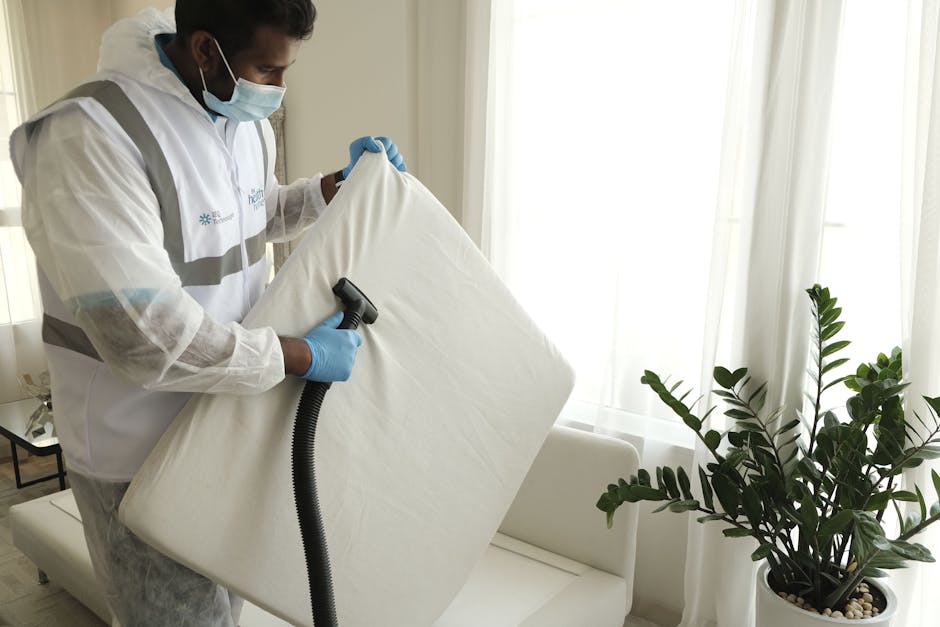
Most proper mattress cleaning follows a fairly simple pattern: inspect, vacuum, treat, blot, dry, and check again. The inspection is where you identify the stain type and the material. Vacuuming removes loose dust and debris before you add moisture. Spot treatment targets stains. Blotting is safer than rubbing. Drying is the bit everyone underestimates. That final check catches the problem stains that only reappear once the mattress begins to dry. Yes, mattresses can be a little dramatic like that.
The biggest operational issue is saturation. Mattresses are layered. If cleaning liquid goes too deep, the top may look fine while the inside stays damp. That is one of the most common causes of odour, mould risk, and streaking later on. A better approach is to use controlled moisture, work in small sections, and choose the least aggressive method that still does the job.
In Kingston properties, this is especially relevant where rooms may be compact, shared, or not well ventilated. A little extra care with airflow and drying time can make a major difference. For households dealing with stains after a move, trades work, or a big tidy-up, it may also be worth pairing mattress care with related services such as one-off cleaning in Kingston upon Thames or spring cleaning in Kingston upon Thames.
Key Benefits and Practical Advantages
When mattress cleaning is handled properly, the payoff is bigger than just a cleaner-looking bed. The benefits are practical, everyday things you can feel almost straight away.
- Improved sleep comfort: A fresher mattress can make the room feel cleaner and more restful.
- Reduced odours: Sweat, spills, and stale air are less likely to linger.
- Better stain control: Quick, correct treatment stops marks from setting deeper.
- Lower allergy irritation: Regular vacuuming and cleaning can reduce dust build-up.
- Longer mattress life: Proper care helps preserve the fabric and internal structure.
- Better rental presentation: Useful for tenancy handovers and guest-ready rooms.
There's a subtle but real domestic benefit too: once a mattress is fresh, the whole bedroom tends to feel more manageable. People often start with the bed and then suddenly the room gets sorted as well. Funny how that works. If you're preparing a room for new occupants, it can be useful to compare broader move-out tasks with end of tenancy cleaning Kingston and local tenancy-focused guidance such as end of tenancy cleaning for Norbiton estates and flats.
| Problem | Typical cause | Best solution |
|---|---|---|
| Yellow stains | Sweat, body oils, ageing fabric | Targeted spot treatment and careful drying |
| Musty smell | Moisture trapped in the mattress | Airflow, minimal liquid, thorough drying |
| Water rings | Over-wetting or uneven application | Blotting and balanced moisture use |
| Dust and allergens | Built-up particles in fabric and seams | Vacuuming with upholstery attachment |
| Recurring stains | Residue left behind, stain not fully lifted | Rinse lightly, extract, and recheck after drying |
Who This Is For and When It Makes Sense
This is relevant for more people than you might think. In our experience, mattress cleaning becomes urgent in a few predictable situations, and Kingston is no exception.
- Tenants moving out: A stained mattress can become a last-minute headache during a final inspection.
- Landlords and letting agents: Fresh mattresses help rooms feel well maintained between occupants.
- Families with children: Night-time accidents and drink spills happen. Often, more than once.
- Pet owners: Hair, odours, and the occasional muddy footprint can build up fast.
- Allergy-sensitive households: Dust control matters more when someone reacts easily.
- People refreshing guest rooms: A clean mattress gives visitors a better first impression.
It also makes sense after a busy season of use, after illness, or after a renovation where fine dust has drifted into bedrooms. If building work has been happening nearby, the whole room can take on that chalky, slightly gritty feel. In that case, pairing mattress care with a broader clean is often the sensible move. A related local read on recovery cleaning is after builders cleaning in Clarence Street projects.
Not every mattress needs a full deep clean every time. Sometimes a careful refresh is enough. Other times, especially with deep staining or repeated odours, it's smarter to bring in a professional rather than keep trying random fixes. Truth be told, that can save more money than it costs.
Step-by-Step Guidance
If you want a practical route through the most common mattress cleaning problems, this is the simplest way to think about it.
- Identify the issue first. Is it a stain, smell, dust build-up, dampness, or all four? The solution changes depending on the problem.
- Check the mattress label or care guidance. Some fabrics can tolerate gentle moisture, while others really cannot. If the label is missing, assume caution.
- Vacuum the mattress thoroughly. Use an upholstery attachment and move slowly across seams, piping, and edges.
- Spot test any cleaner. Apply a tiny amount in an unseen area and wait. This is boring, yes, but useful.
- Treat the stain lightly. Use blotting rather than scrubbing. Too much pressure can spread the mark or rough up the fibres.
- Work from the outside in. That reduces the chance of creating larger tide marks.
- Remove excess moisture. Blot with a clean, dry cloth or use extraction where appropriate.
- Dry with airflow. Open windows if possible, use a fan, and leave bedding off until fully dry.
- Recheck after drying. Some stains only show themselves once the fabric is dry. Annoying, but normal.
For urine or biological spills: act quickly, use minimal liquid, and avoid heat until the stain is fully treated. Heat can set certain marks. For grease or oil-based marks, absorb first, then treat. For general odour, drying and ventilation matter just as much as the cleaner you use.
For sweat or yellowing: think of it as a slow build-up, not a single event. You may need a gentle repeat treatment rather than one heavy pass. Patience helps here.
For dust and stale smells: vacuum first, then refresh the surface with a very light treatment. In many Kingston homes, this is enough to make the room feel noticeably better by the next evening.
Expert Tips for Better Results
A few practical tips make mattress cleaning much less frustrating.
- Use less liquid than you think. Most mattress damage from cleaning comes from over-wetting, not under-cleaning.
- Keep the room warm and airy. Dry air and movement help far more than people expect.
- Clean both sides if the mattress allows it. Flipping or rotating can help with wear and freshness.
- Pay attention to seams and labels. Dirt settles there, and that's where smells often survive.
- Use white cloths for blotting. Coloured cloths can transfer dye. It happens.
- Don't rush bedding back on. A mattress that is even slightly damp can hold onto smell.
One useful habit is to treat mattress cleaning as part of bedroom maintenance rather than a stand-alone emergency. A weekly vacuum, a mattress protector, and a quick response to spills can prevent most problems from turning into bigger ones. It's not glamorous, obviously, but neither is trying to remove a month-old tea mark at 10 pm.
If your home cleaning schedule already feels full, it may be easier to build mattress care into a wider service plan, such as house cleaning Kingston upon Thames or a more structured services overview when deciding what to outsource and what to handle yourself.
Common Mistakes to Avoid
This is where many mattress cleaning jobs go sideways. The mistakes are predictable, which is good news, because that means they're avoidable.
- Scrubbing hard at a stain: This often pushes the mark deeper into the fibres.
- Using too much cleaner: More product does not equal better cleaning. Usually the opposite.
- Skipping drying time: A mattress that feels "almost dry" can still cause odours later.
- Ignoring the mattress type: Foam, hybrid, and sprung mattresses all need slightly different handling.
- Forgetting to vacuum first: Loose dust turns into mud when mixed with liquid. Not ideal.
- Using strong heat too early: Heat can lock in certain stains and distort delicate materials.
- Leaving residues behind: Cleaner residue can attract more dirt if it is not removed properly.
A common one, and this happens a lot, is trying three different DIY products one after another. That sounds proactive, but it can create a weird patchwork of residue and discolouration. If the first safe method hasn't helped, step back and reassess rather than piling on more chemistry.
If you are moving out and worried about the condition of bedding or soft furnishings, it can help to look at professional support for the broader property too, especially services like end of tenancy cleaning Kingston or more focused textile care such as upholstery cleaning Kingston.
Tools, Resources and Recommendations
You do not need a van full of equipment to clean a mattress properly, but the right basics make a huge difference.
- Vacuum cleaner with upholstery attachment: Essential for dust, hair, and debris.
- Clean white microfibre cloths: Useful for blotting without spreading dye.
- Mild cleaning solution: Choose something suitable for fabric and stain type.
- Dry towels: Handy for lifting moisture quickly.
- Fan or good airflow: Often the most overlooked tool in the room.
- Mattress protector: Not a cleaning tool exactly, but it prevents repeat problems.
For people deciding whether to handle things themselves or bring in help, it can be useful to compare the time cost and the risk of damage. If you're already planning a larger clean, a local one-off service may be worth considering alongside mattress care, especially if the mattress problem is linked to a general bedroom refresh. You may also find it useful to review pricing and quotes carefully, especially if the job includes multiple rooms or add-ons. Nobody likes vague surprises on a cleaning bill.
And if you want to understand how a provider handles trust and security matters before booking, it's worth reading about payment and security and the company's general approach in the about us section. That kind of background does help you judge whether a service feels properly run.
Law, Compliance, Standards, and Best Practice
Mattress cleaning itself is not usually a heavily regulated activity in the way medical or food handling is, but good practice still matters. A professional cleaner should treat your home carefully, use products safely, and follow sensible handling and hygiene standards. If you are dealing with bodily fluids, mould, or contamination, caution becomes even more important.
In the UK, safe use of chemicals, proper ventilation, and sensible care around soft furnishings are all part of normal professional practice. That means testing products, avoiding unnecessary moisture, and being upfront if a stain may not fully disappear. Honest expectations are part of trust. So is clear communication when a mattress may be too delicate for aggressive treatment.
For tenants and landlords, mattress condition may also sit inside wider property handover expectations. A room that is clean, dry, and presented properly will always look better than one that has been rushed. If a property has safety considerations, it is sensible to choose cleaning support that takes a careful approach, and to check related policies such as insurance and safety and health and safety policy.
One other practical point: if a cleaner says a stain is impossible to remove, that may be completely fair. Not every mark can be reversed. Age, fabric type, heat exposure, and previous cleaning attempts all play a role. Sometimes the best outcome is improvement, not perfection. That's a more honest standard, and usually a more realistic one.
Options, Methods, and Comparison Table
Different mattress problems call for different approaches. Here's a simple comparison to help you decide.
| Method | Best for | Pros | Limitations |
|---|---|---|---|
| Vacuum only | Dust, crumbs, light refresh | Fast, safe, low-risk | Won't solve odours or stains |
| Gentle spot cleaning | Fresh spills, light marks | Targeted and manageable | Needs careful drying |
| DIY deep clean | Moderate staining if the fabric allows it | Affordable and flexible | Higher risk of over-wetting or residue |
| Professional mattress cleaning | Heavy staining, odours, repeated problems | More controlled, less guesswork | May cost more than DIY |
For many households, the decision comes down to confidence and time. If you've got a fresh spill and decent airflow, DIY may be fine. If the mattress smells persistently musty, has a deep yellow patch, or has already been cleaned badly once before, professional help is often the safer bet. No heroics needed.
Case Study or Real-World Example
A common Kingston scenario goes like this: a tenant notices a yellow stain on a double mattress after months of use and tries to tidy it before moving out. First, they use too much cleaner. Then they blot it with a towel that leaves fibres behind. By the next day, the stain has faded a little but a faint ring has appeared around the edge. Not ideal, but very familiar.
The better approach in that situation is calm, not dramatic. Vacuum the mattress, treat the stained area lightly, keep moisture controlled, and increase airflow straight away. If the stain remains visible, stop before it gets worse. At that point, continuing to soak the mattress rarely improves things. Often it just creates a larger patch and a longer drying time.
In another real-world example, a family with a child's mattress had repeated smell issues after nighttime accidents. The fix was not just cleaning. It also involved a waterproof protector, faster response time, and more regular vacuuming around seams. The smell issue eased only when the whole routine changed, not when they kept repeating the same clean. That's the bit people miss sometimes.
These are the moments where mattress care becomes less about a product and more about a system. Small habits. Quick action. Less water. Better drying. That usually does the trick.
Practical Checklist
Use this before you start mattress cleaning or before you decide to book help.
- Check the mattress type and any care label.
- Vacuum both sides if appropriate.
- Identify whether the issue is stain, smell, dust, or damp.
- Test any cleaning product in a hidden area first.
- Use the least amount of moisture possible.
- Blot, do not scrub.
- Open windows or use a fan for drying.
- Wait until the mattress is fully dry before remaking the bed.
- Recheck for tide marks or residue after drying.
- Use a mattress protector once the job is done.
Expert summary: Most mattress cleaning failures in Kingston are not caused by the stain itself. They are caused by too much liquid, too little drying, and trying to rush the job. Keep it gentle, keep it dry, and be realistic about what can actually be removed.
If you're weighing this up against a larger home clean, browsing carpet cleaning Kingston can also be useful because mattress and carpet issues often travel together in the same household routines. Dust, spills, pets, shoes at the bedside - all of it adds up.
Get a free quote today and see how much you can save.
Conclusion
The main lesson from Common problems with mattress cleaning Kingston and solutions is that mattress care is all about control. Control the moisture. Control the product amount. Control the drying time. Most of the usual problems - stains spreading, smells returning, fabric looking patchy - come from moving too fast or treating the mattress like a normal washable item.
With the right approach, many mattress issues can be improved a lot, and some can be fixed completely. But the smartest win is prevention: protect the mattress, vacuum it regularly, act quickly on spills, and don't overload it with liquid. That's the quiet little routine that saves a lot of trouble later on.
If you're in Kingston and want a fresher bedroom without the usual trial-and-error, a careful cleaning plan is usually the best place to start. Small fixes, done properly, make a bigger difference than people think. And sometimes that's enough to make the whole room breathe easier.